The Board Room
The culture, the history, the boards.
Skateboarding history, collector guides, board values, and the culture that built it all.

Skate Shoes: From Vans Authentics to the Collector Market
Vans started selling basic deck shoes in Anaheim in 1966 for $4.49. Skaters found them, adopted them, and eventually shaped the entire product line through what they actually needed on a board. Sixty years on, deadstock 80s and 90s skate shoes are serious collector pieces - and the market is still figuring out how to value them properly.
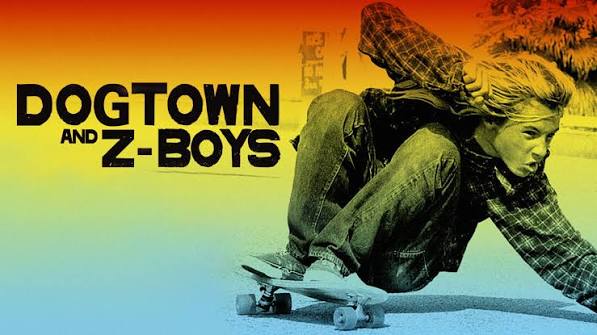
The Rise of Skate Documentaries: From VHS Tapes to Academy Award Nominations
Skate documentaries went from niche VHS curiosities to legitimate cinema the moment Dogtown and Z-Boys walked out of Sundance in 2001 with two awards. Since then, films like Minding the Gap have earned Academy Award nominations and Peabody Awards. The culture was always worth documenting - it just took the right filmmakers to prove it.
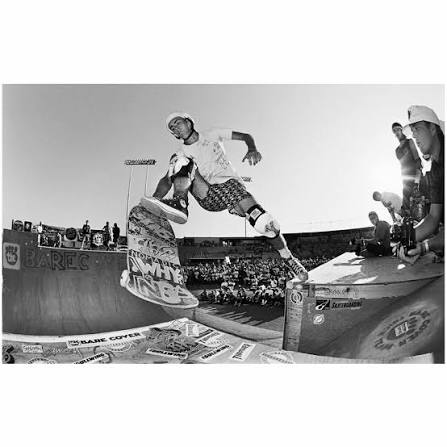
Bill Danforth: The American Nomad Who Earned His Place in Skate History
Bill Danforth turned pro for Madrid Skateboards in 1986 and spent the next two decades proving he belonged at the top of both vert and street skating. A Detroit kid who started in 1972, worked the darkroom at Transworld, and ended up in the Smithsonian - his story covers the full arc of modern skateboarding. In 2026, the Skateboarding Hall of Fame made it official.
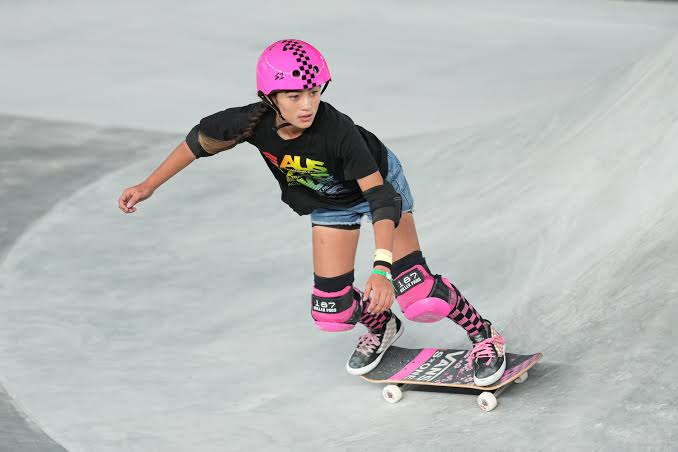
Arisa Trew: The Gold Coast Teen Who Became the World's Best Park Skater
Arisa Trew is the most decorated young skateboarder Australia has produced. Born in Brisbane in 2010, she won Olympic gold at Paris 2024 at just 14, claimed the World Championship title in Rome in 2023, and became the first woman to land a 900 in competition. She's 16 years old and already rewriting the history books.
Schmitt Stix Collectibles: What Serious Collectors Pay in 2026
Original Schmitt Stix decks from the brand's 1983-1991 run sell for between $300 and $1,200 depending on condition and graphic. The Chris Miller gargoyle leads the market, but Ed Templeton and John Lucero pro models are climbing. Here's what serious collectors are actually paying right now.
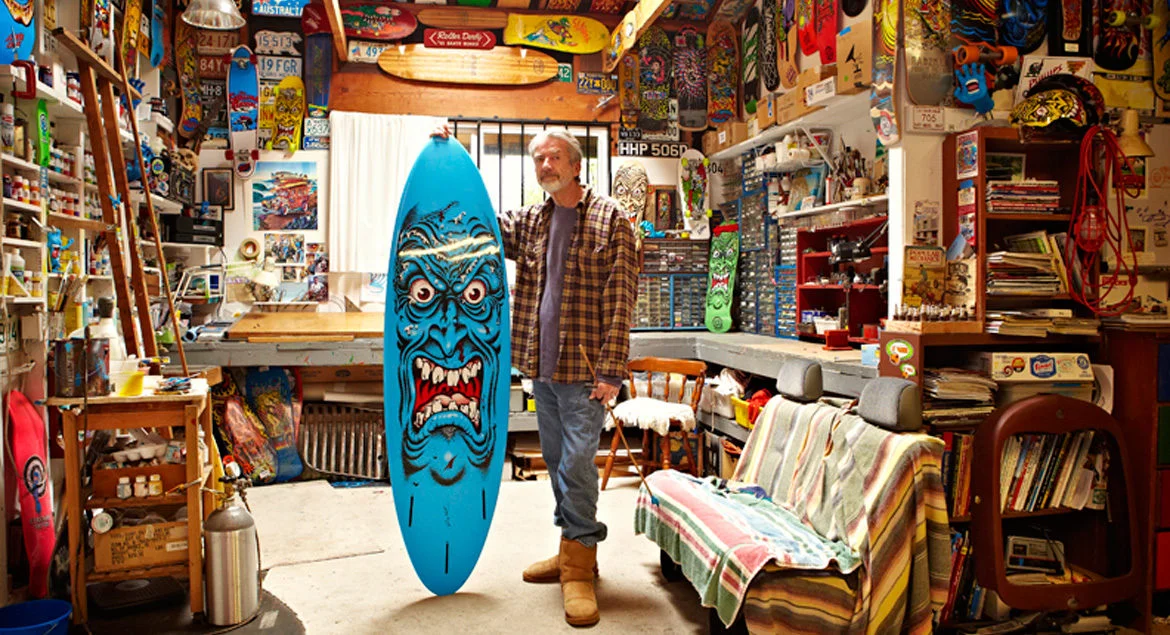
Jim Phillips: The Artist Behind the Most Valuable Skate Graphics
Jim Phillips is the reason skateboard graphics became art. More than any other single artist, his work at NHS Inc. through the late 1970s, 80s, and into the 90s defined what a skateboard was supposed
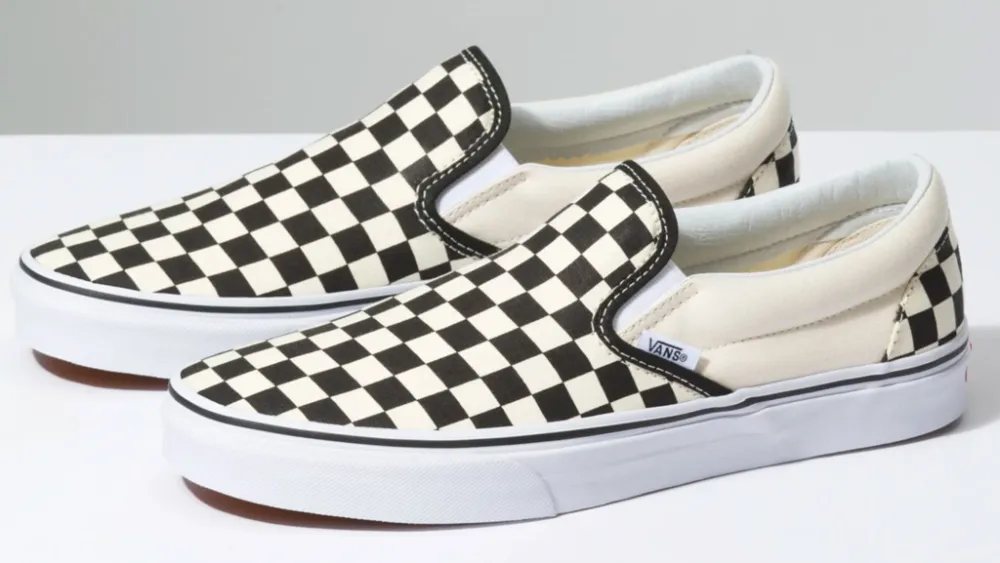
How Skateboarding Built Streetwear
Skateboarding didn't borrow from streetwear - it built it. From Vans in 1966 to Supreme's $2.1 billion sale in 2020, the aesthetics, brands, and attitude that skaters developed out of necessity became the template for global youth fashion. Here's how it actually happened.
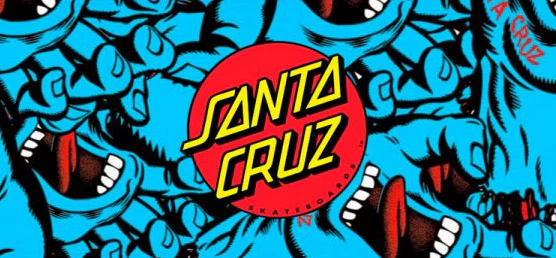
Santa Cruz Skateboards: 50 Years, One Hand, and the Most Recognisable Graphic in Skating
Santa Cruz Skateboards has been running since 1973, making it one of the oldest independent skate companies on earth. The Screaming Hand, designed by Jim Phillips in 1985, became the defining graphic of a generation - and original decks now fetch serious money from collectors. Here's the full story of how Santa Cruz got there and why it still matters.
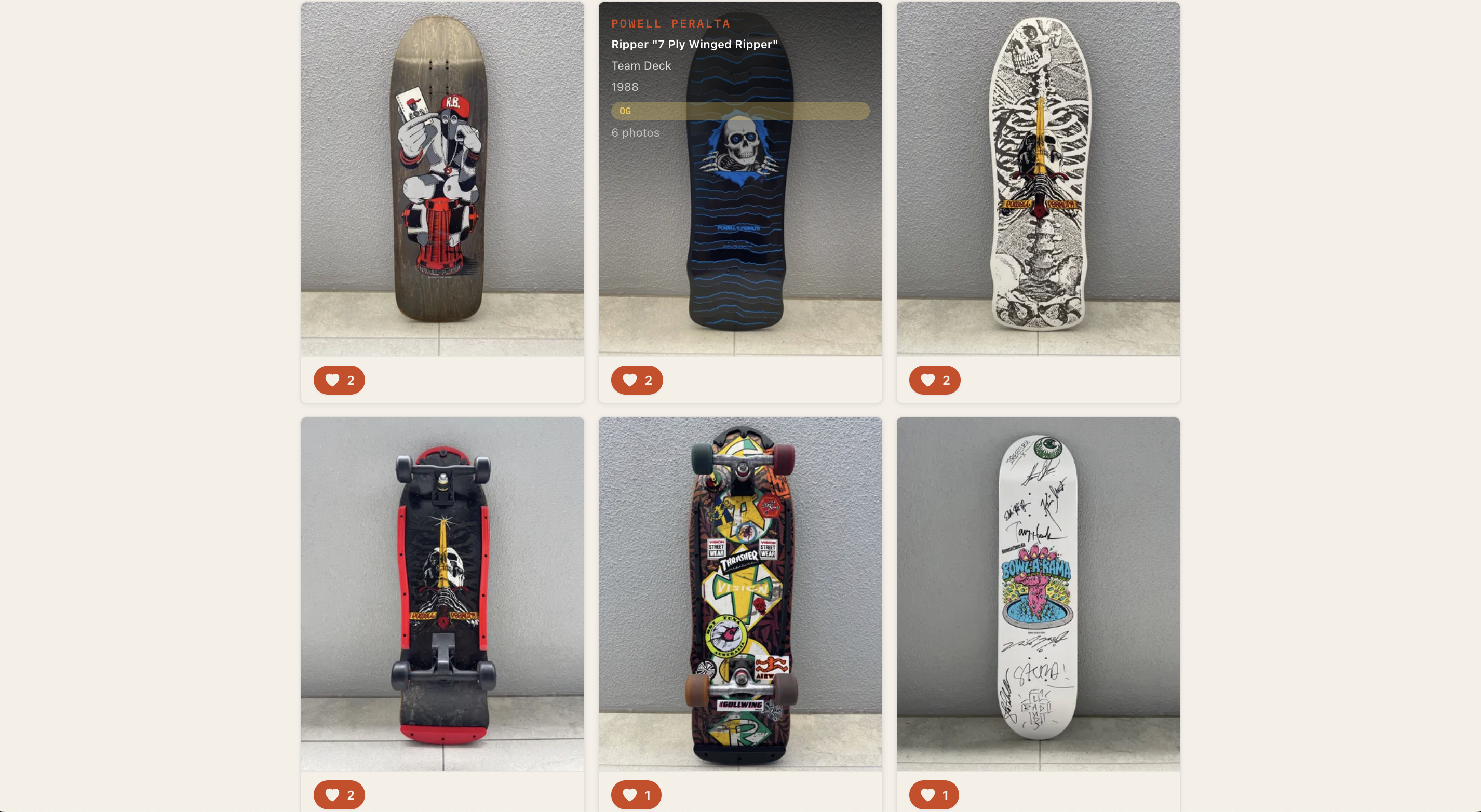
Cataloguing Your Skate Collection: Why It Matters and How to Do It Right
If you're serious about collecting vintage skate decks, cataloguing isn't optional. It's the difference between knowing what you've got and guessing when it comes time to insure, sell, or prove provenance. Here's how to do it properly, from condition grading to primary source references.
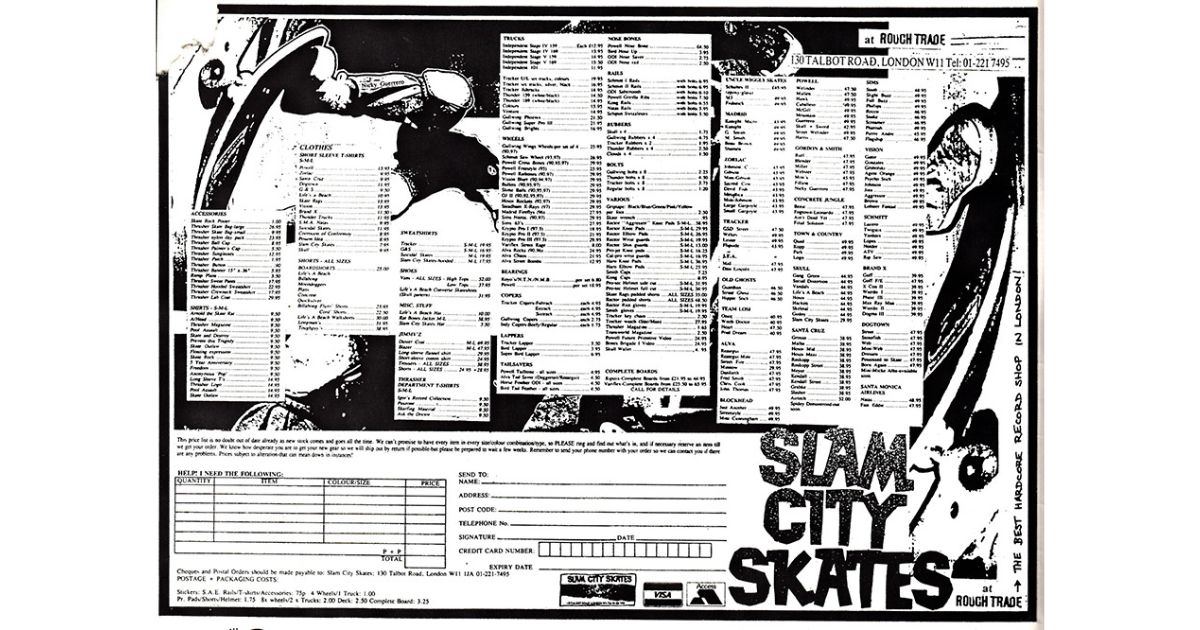
The First Australian Skate Shops: Where It All Started
Australia's first dedicated skate shops appeared around 1975, carved out of surf shops that had been stocking boards since the early 60s. Most didn't survive the global bust of 1977 to 1978 - but the ones that came back in the early 80s built something that actually lasted. Here's how it unfolded.
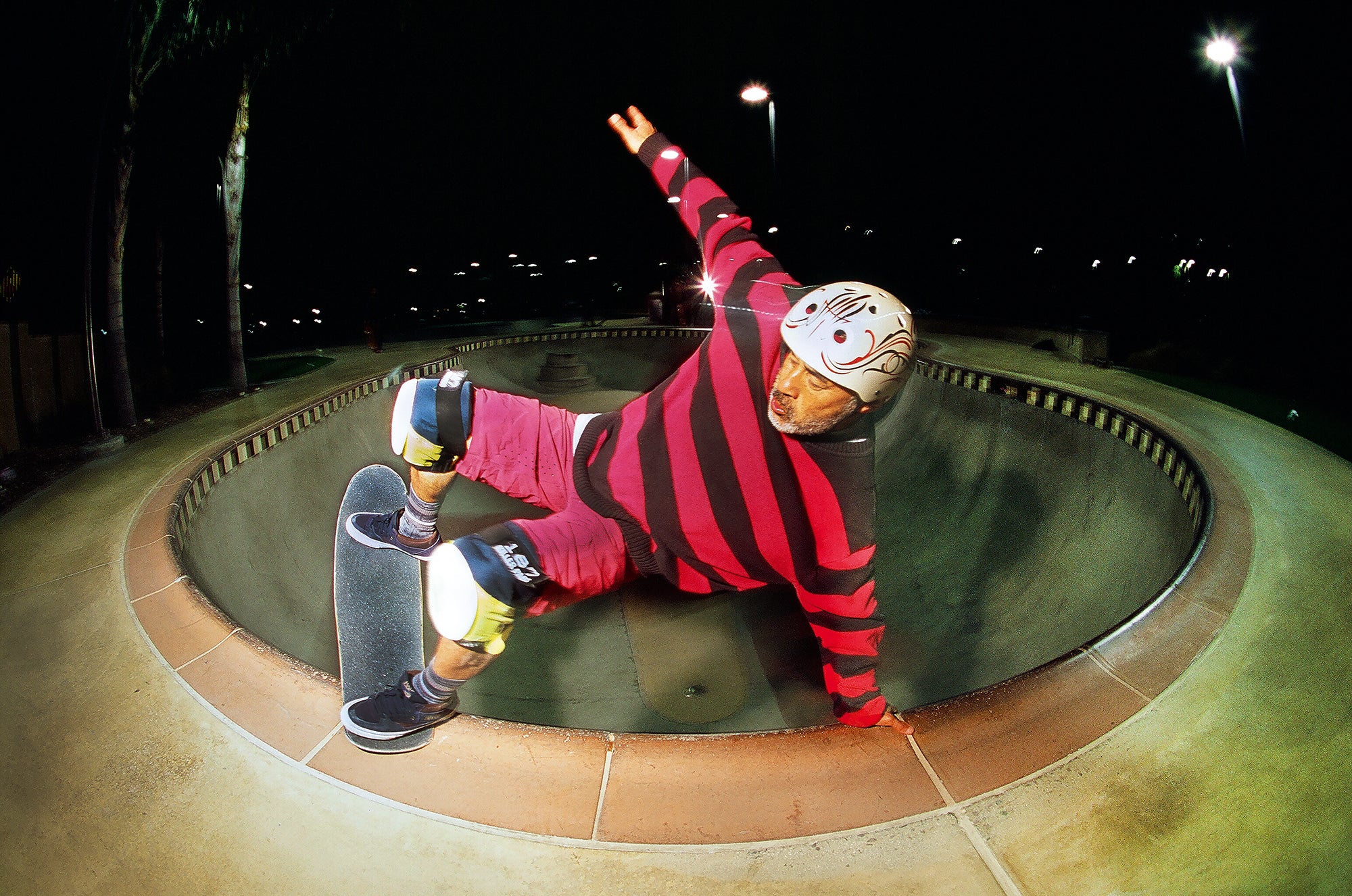
Dave Swift and Transworld Skateboarding: The Man Behind the Magazine's Visual Identity
Dave Swift spent more than two decades at Transworld Skateboarding as photo editor and creative director, shaping the visual identity of one of skateboarding's most significant publications. From joining around 1991 through the magazine's 200,000-circulation peak in the early 2000s, Swift was central to how street skating was documented and presented to the world. Transworld folded its print edition in 2019 after 36 years, but the archive Swift helped build remains one of the most important in skate media history.

Independent Trucks: 48 Years of the Best Truck Ever Made
Independent Truck Company has been making essentially the same truck since 1978, and after 48 years it's still the one most skaters reach for. Founded in Santa Cruz by Fausto Vitello, Richard Novak, and Jay Shuirman, Indy has gone through 11 design stages without losing what made it work. This is the full history of how that happened.
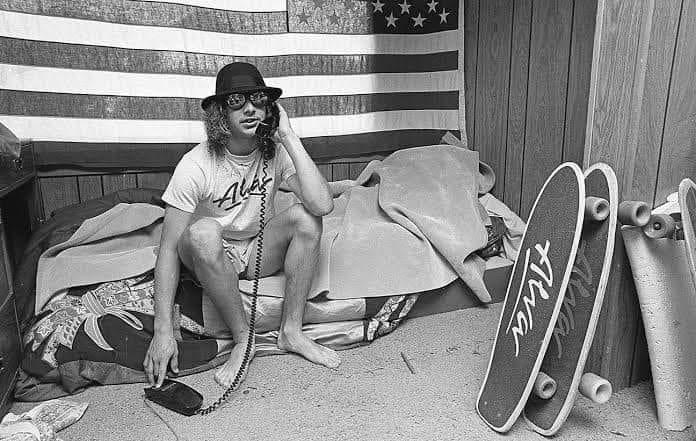
Tony Alva - The Godfather of Skateboarding
Before Tony Alva, skateboarding was one thing. After him, it was something else entirely. From the streets of Dogtown to the first frontside aerial, this is the story of the skater who built the ground floor — and the brand that's still standing on it.
Collect for real
Ready to catalogue your stash?
Free to start. Unlimited on paid plans. Your boards deserve a proper home.
Start free →