Independent Trucks: 48 Years of the Best Truck Ever Made
Founded in 1978 and still built in San Francisco, here's how Independent became the standard every other truck gets measured against.

Independent Truck Company has been making the same essential truck since 1978, and after 48 years, it's still the one most skaters reach for. That's not brand loyalty. That's just the truck being genuinely better.
Independent Truck Company was founded in Santa Cruz, California in 1978 by Richard Novak, Jay Shuirman, and Fausto Vitello. Built in San Francisco and now the best-selling skateboard truck brand in the world, Indy has gone through 11 major design stages without ever losing what made it work in the first place.
Where Did Independent Trucks Come From?
Founded in 1978 in Santa Cruz, California, Independent came out of NHS, Inc. - the same distribution network behind Santa Cruz Skateboards. The three co-founders each brought something different. Richard Novak had the business side. Jay Shuirman was deep in the industry. Fausto Vitello had the vision and the obsession with getting the geometry right.
The original truck was designed by Vitello alongside engineer David Dominguez. What they built wasn't a novelty. It was a precise piece of hardware aimed at what skaters were actually doing - and it worked.
The Maltese cross logo showed up from day one. Simple, bold, instantly recognisable. Forty-eight years later it's still there, unchanged.
The Stage 1 and the Early Years
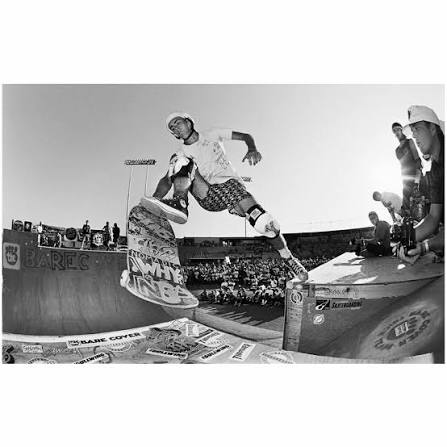
The Stage 1 truck dropped in 1978 alongside the founding of the company. For context, skateboarding in 1978 was still figuring itself out. Pools, pipes, and early vertical skating were the dominant forms. The Independent truck was built for that world - responsive, strong, and with geometry that rewarded aggressive riding.
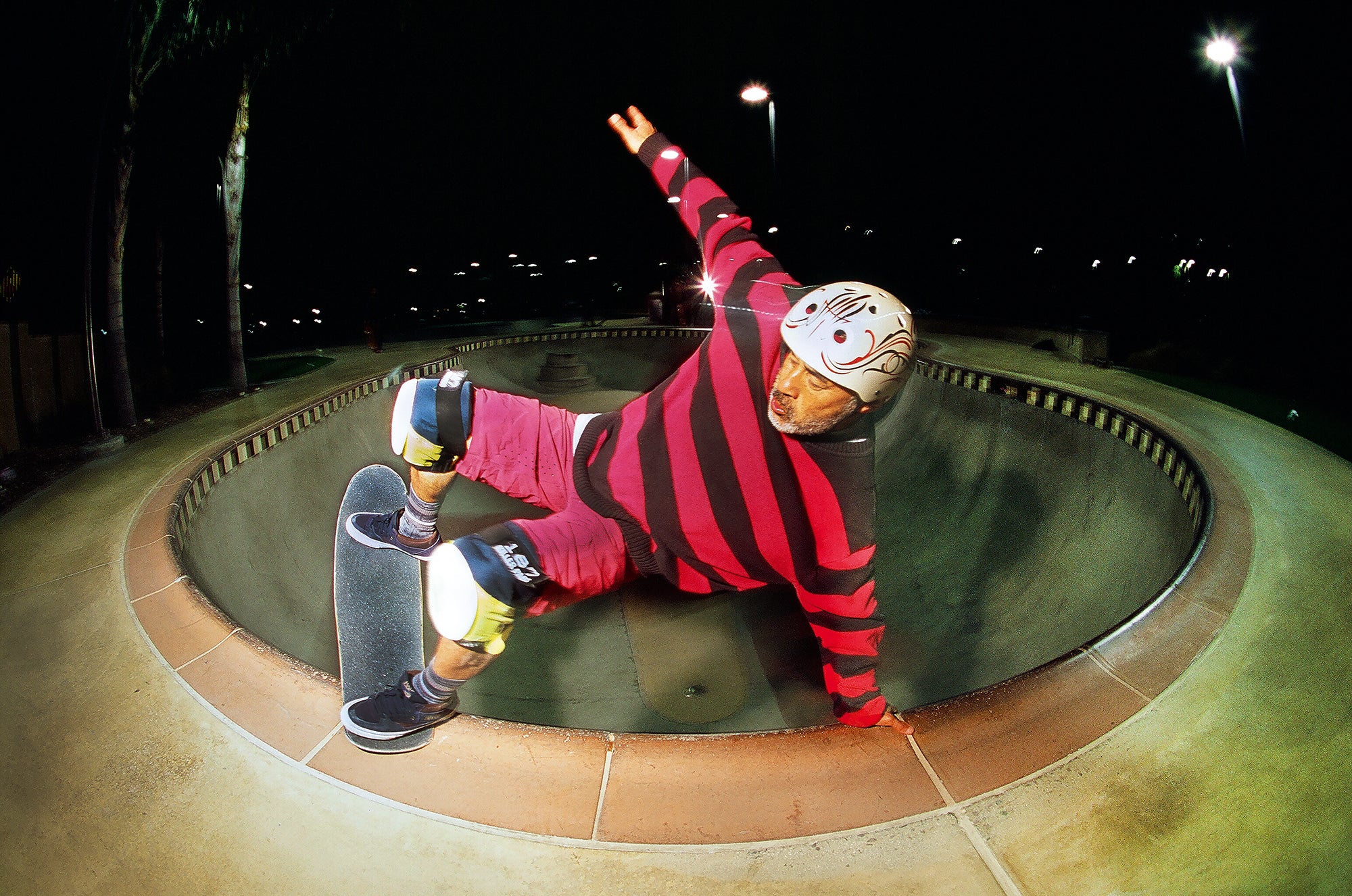
Steve Caballero joined the team in 1979. He's still on it. That's not a marketing line, that's just genuinely one of the longest brand relationships in all of action sports. Cab's loyalty to Indy tracks alongside his own career - vert legend, Bones Brigade icon, and someone who never chased trends.
The early 1980s brought Stage refinements. Stage 4 in 1983 updated the geometry to improve turning and stability as skating continued to evolve. Each stage wasn't a reinvention. It was incremental improvement - the kind that actually matters.
How Did Independent Survive the Street Skating Shift?
This is where a lot of brands fell apart. The late 1980s boom brought mainstream money and massive teams. Then street skating took over in the early 1990s and a lot of companies that had been built around vert went quiet or went under.
Independent didn't panic. By 1994 the product line was adapting to the transition - lower and mid-height options, refined geometry for flip tricks and technical skating. The trucks stayed mechanically honest. No gimmicks. Just hardware that worked on a street ledge as well as it worked on a pool coping.
The team evolved with it. Tony Hawk and Eric Koston on the same sponsor list tells you something about the range of skating Indy could credibly speak to.
The Weight Problem and How They Solved It
For years the main criticism of Independent trucks was weight. Solid baseplate, solid hanger - they weren't light. For skaters grinding big rails or skating massive stairs, every gram matters.
In 2000, titanium hardware arrived. Then in 2010, the forged hollow series dropped and changed the conversation. Hollow kingpin, hollow axle - the same structural integrity with significantly less weight. I remember when those first hit shops in Australia. Skaters who'd switched to lighter competitors came back.
The forged titanium model pushed it further still. Independent trucks typically run 10 to 12 ounces per truck depending on model. The forged hollow titanium version gets that number down without sacrificing the geometry that makes the truck what it is.
What Is the Stage 11 and Why Does It Matter?
The Stage 11 truck was introduced in 2014 and represents the 11th major design iteration since 1978. That's roughly one significant update every four years across nearly five decades. Not restless reinvention. Considered, methodical improvement.
Stage 11 updated the geometry for how modern skateboarding actually moves - tighter tolerances, better response, sized for contemporary deck widths. Independent trucks now come in sizes from 109mm to 215mm axle width, covering everything from narrow street setups to wide cruisers and longboards.
Retail price sits between $50 and $65 USD per pair for standard models, with forged hollow and titanium variants running higher. For what you're getting - a truck still manufactured in San Francisco with nearly 50 years of geometry refinement behind it - that's not expensive.
The Loss of Fausto Vitello
Fausto Vitello passed away in 2006. It's impossible to talk about Independent's history without sitting with that for a moment. He wasn't just a co-founder. He was the person most responsible for the truck being what it is - the geometry obsessive, the one who pushed Dominguez to keep refining.
Vitello also co-founded Thrasher Magazine in 1981, which means his fingerprints are on the two most enduring institutions in skateboarding. That's a legacy that doesn't need embellishment.
Independent in 2026: Still the Standard
The 2018 fortieth anniversary brought commemorative products and acknowledgment of the founding team riders. By 2023, Stage 11 forged hollow titanium options were in full production, with ongoing expansion of colourways and sizing for a genuinely global market.
Boards like this don't come up often in conversation without Independent trucks being mentioned somewhere. Whether you're skating street, parks, transition, or just cruising around - Indy remains the default answer for a reason. Not because of heritage. Because the truck is still right.
The "Indy Forever, Forever Indy" tagline is one of those rare pieces of brand language that actually earns itself. When a product has been genuinely the best at what it does for this long, you don't need to say much more.
The Quick Version
- Independent Truck Company was founded in 1978 in Santa Cruz, California by Richard Novak, Jay Shuirman, and Fausto Vitello - and is still manufactured in San Francisco today.
- The Stage series has gone through 11 major design iterations since 1978, with Stage 11 introduced in 2014 representing the current benchmark.
- Steve Caballero has been a sponsored rider since 1979, one of the longest brand relationships in skateboarding history.
- The forged hollow series (2010) and subsequent titanium variants solved the weight issue that was Indy's only real vulnerability.
- Indy is the best-selling skateboard truck brand in the world. At $50 to $65 USD a pair for standard models, it's also one of the most accessible premium options in skating.
Find this useful?
Built for collectors like you.
Your collection deserves better than a spreadsheet.
Catalogue every board, log what you paid, and connect with collectors who get it. Your values are always private.