Bill Danforth: The American Nomad Who Earned His Place in Skate History
The story of one of skating's most respected lifers
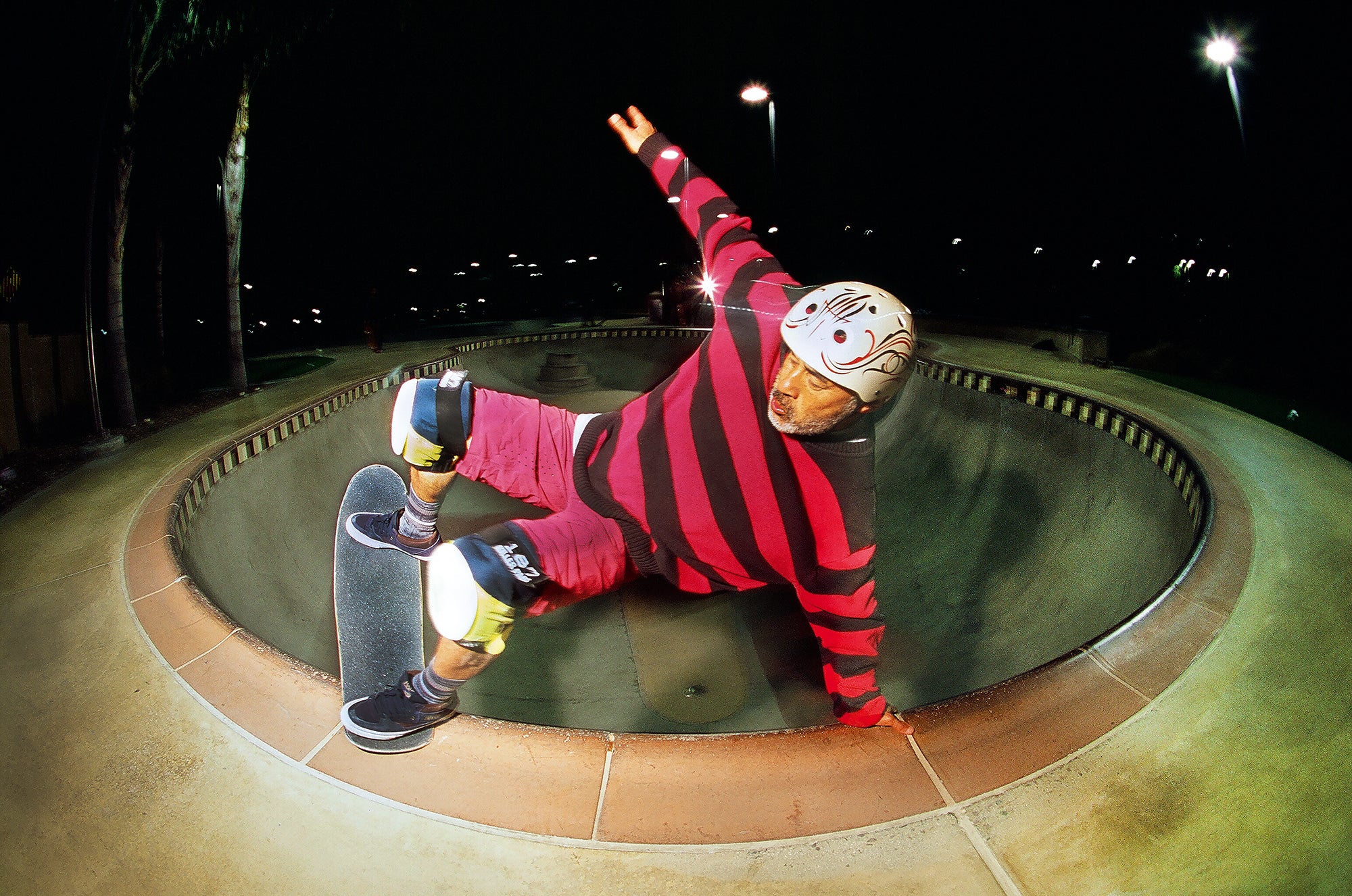
Bill Danforth turned pro in 1986 for Madrid Skateboards and spent the next two decades earning one of the most respected reputations in skating - not through hype, but through genuine skill across both vert and street. He's the guy who was in the room before most of us even knew the room existed.
Bill Danforth turned pro for Madrid in 1986 and went on to ride for Alva, earning the nickname "The American Nomad" while ranking in the world's top 10 in both vert and street skating. A Detroit kid who started skating in 1972, Danforth's career spans the full arc of skateboarding's modern history - from its early days through the street era and beyond.
How Did Bill Danforth Get Into Skateboarding?
It started in 1972, the way most good skate stories start - an older sibling, a new board, and something that just clicks. Danforth's brother brought home a Bahne skateboard, and that was it. Done. Bill Danforth was hooked.
He grew up in Detroit, Michigan, which isn't the first city you'd think of when you picture early 1970s skateboarding. That made the obsession more self-driven. You weren't surrounded by skaters - you were figuring it out yourself, building ramps out of plywood, skating whatever you could find.
What Did Danforth Do Before Going Pro?
Before the pro career, Danforth was already inside skateboarding's core. He became the first darkroom assistant at Transworld Skateboarding magazine, developing film and printing pictures for photographer Grant Brittain.
That's a significant detail. Brittain's photography defined how an entire generation saw skateboarding. Being in that darkroom meant Danforth was watching the visual language of the sport get built from scratch. He wasn't just a skater - he understood the culture from the inside.
That combination of on-board talent and industry awareness shaped everything that came after.
When Did Bill Danforth Turn Pro?
Danforth turned pro in 1986 for Madrid Skateboards. Madrid was a legitimate force in mid-80s skating - a brand with serious riders and serious boards - and Danforth fit right in.
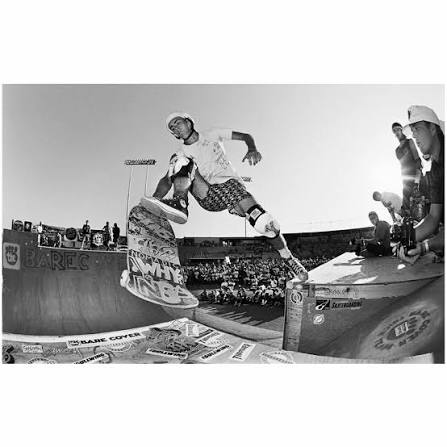
By this point he was competing at the highest level. He ranked in the top 10 in the world in both vert and street skating during the 1980s. That's not a throwaway stat. Doing that across two disciplines in that era was genuinely rare. Most pros leaned one way or the other.
His time at Madrid produced some of his most collectible signature boards, the same designs that Madrid would later reissue decades on.
What Was His Connection to Alva Skates?
After Madrid, Danforth moved to Alva Skateboards and rode for Tony Alva's team in the late 1980s. This is where the "American Nomad" reputation started solidifying.
Alva was never a massive commercial operation. It was a brand built around credibility, around skating that felt earned rather than manufactured. Danforth fit that ethos completely. He wasn't chasing trends - he was just skating hard and going where the skating took him.
The Alva connection also tied him to a deeper lineage. Tony Alva is one of the actual originators of modern skateboarding, and riding for him in the late 80s meant something. It wasn't just a sponsor - it was a statement.
What Is the "Street Survival" Video?
Danforth starred in an instructional video called "Street Survival," and his Alva board from that era - designed in collaboration with Tony Alva - is now preserved in the Smithsonian Institution's collection.
Let that land for a second. The Smithsonian. Most skaters never get within a hundred miles of that kind of recognition. It says something about how Danforth's career is viewed outside of just the skate world - as part of American cultural history.
The board itself features green skulls in a pink circle with pink claw marks running through the design. It was autographed by Danforth and sits in the National Museum of American History as a marker of his place in the record.
I'd seen photos of that board before I knew it was in the Smithsonian. The artwork is unmistakable - pure late-80s Alva energy. Finding out it was sitting in a national collection was one of those moments where you realise how seriously people outside of skating take the history.
Did Danforth Keep Skating Past His Prime Years?
He did. In 2005, Danforth skated in Thrasher's King of the Road - one of the most demanding and chaotic events in skateboarding. This was nearly 20 years after turning pro.
King of the Road isn't a nostalgia cruise. It's a points-based cross-country challenge that rewards commitment, creativity, and willingness to get hurt. Competing in it in 2005 isn't a footnote - it shows he never stopped being an active skater.
That longevity is part of what makes Danforth's story resonate. He isn't a guy defined only by a peak era.
What Are His Boards Worth to Collectors?
Madrid Skateboards reissued several of Danforth's signature boards as part of their reissue series. For collectors, these sit in an interesting spot - officially produced and tied to a rider with genuine historical significance.
His original Madrid and Alva signature boards from the 1980s are the real prizes. Original Madrid Danforth signature decks are rare and sought-after. The Alva board in the Smithsonian gives you a sense of what those pieces represent culturally - one of the most significant examples of his era sitting in a national collection. Madrid reissues do come up on the secondary market and are worth tracking, but they're a different thing to an original 1980s production board. Condition is everything either way.
The Quick Version
- Bill Danforth turned pro in 1986 for Madrid Skateboards and later rode for Alva, earning the nickname "The American Nomad"
- He ranked top 10 in the world in both vert and street during the 1980s - a genuine two-discipline talent
- He was the first darkroom assistant at Transworld Skateboarding, working alongside photographer Grant Brittain before his pro career
- His Alva board from the 1980s is preserved in the Smithsonian Institution's collection, recognised as part of American cultural history
- He competed in Thrasher's King of the Road in 2005 - nearly 20 years after turning pro, still very much an active skater
Frequently Asked Questions
When did Bill Danforth turn pro? Danforth turned pro in 1986 for Madrid Skateboards.
What is Bill Danforth's nickname? He's known as "The American Nomad," a name he earned through his time riding for Alva and his approach to skating entirely on his own terms - hitchhiking and bumming rides to skate events all over the country.
Are Bill Danforth's boards collectible? His original Madrid and Alva signature boards from the 1980s are sought-after and hard to find. Madrid has produced reissues which are available on the secondary market.
What is the Smithsonian connection? His Alva model skateboard from the 1980s - used during his career and autographed by Danforth - is preserved in the Smithsonian Institution's National Museum of American History collection. The board was co-designed by Tony Alva and Bill Danforth.
Did Bill Danforth skate competitively after the 1980s? Yes. He competed in Thrasher's King of the Road in 2005, nearly two decades after turning pro, and by his own account has never stopped skating.
1 person found this useful
Built for collectors like you.
Your collection deserves better than a spreadsheet.
Catalogue every board, log what you paid, and connect with collectors who get it. Your values are always private.