Dave Swift and Transworld Skateboarding: The Man Behind the Magazine's Visual Identity
How a photographer from Oceanside helped define what skateboarding looked like for a generation
Dave Swift spent more than two decades shaping what Transworld Skateboarding looked like, felt like, and meant to a generation of skaters worldwide. As photo editor and later creative director, he was one of the key people behind the visual identity of one of skateboarding's two dominant print magazines during its most commercially significant era.
Transworld Skateboarding ran for 36 years in print before folding in 2019, and Dave Swift was a central figure in its editorial and photography departments from 1991 onward. Working alongside photographers like Grant Brittain, Swift helped define how street skating was documented and presented to mainstream audiences through the 1990s and 2000s.
How Did Transworld Skateboarding Start?
Transworld Skateboarding launched in 1983, founded by Larry Balma and Peggy Cozens out of Oceanside, California. From the start, it positioned itself differently to Thrasher, which had been running since 1981. Where Thrasher leaned into punk aggression, Transworld went for a cleaner, more technically focused aesthetic. Both approaches were legitimate. Both found their audience.
The magazine was published under Transworld Media and grew steadily through the mid-to-late 80s, catching the tail end of the first major skateboarding boom and surviving the bust that followed. By the time the 90s street skating explosion hit, Transworld was well-placed to document it.
When Did Dave Swift Join Transworld?
Swift came into the Transworld orbit around 1991, right as street skating was taking over from vert as the dominant discipline. The timing wasn't incidental. The 90s were when skate photography really found its visual language, and Swift was there for all of it.
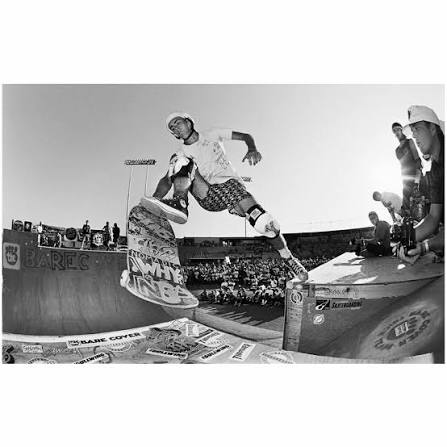
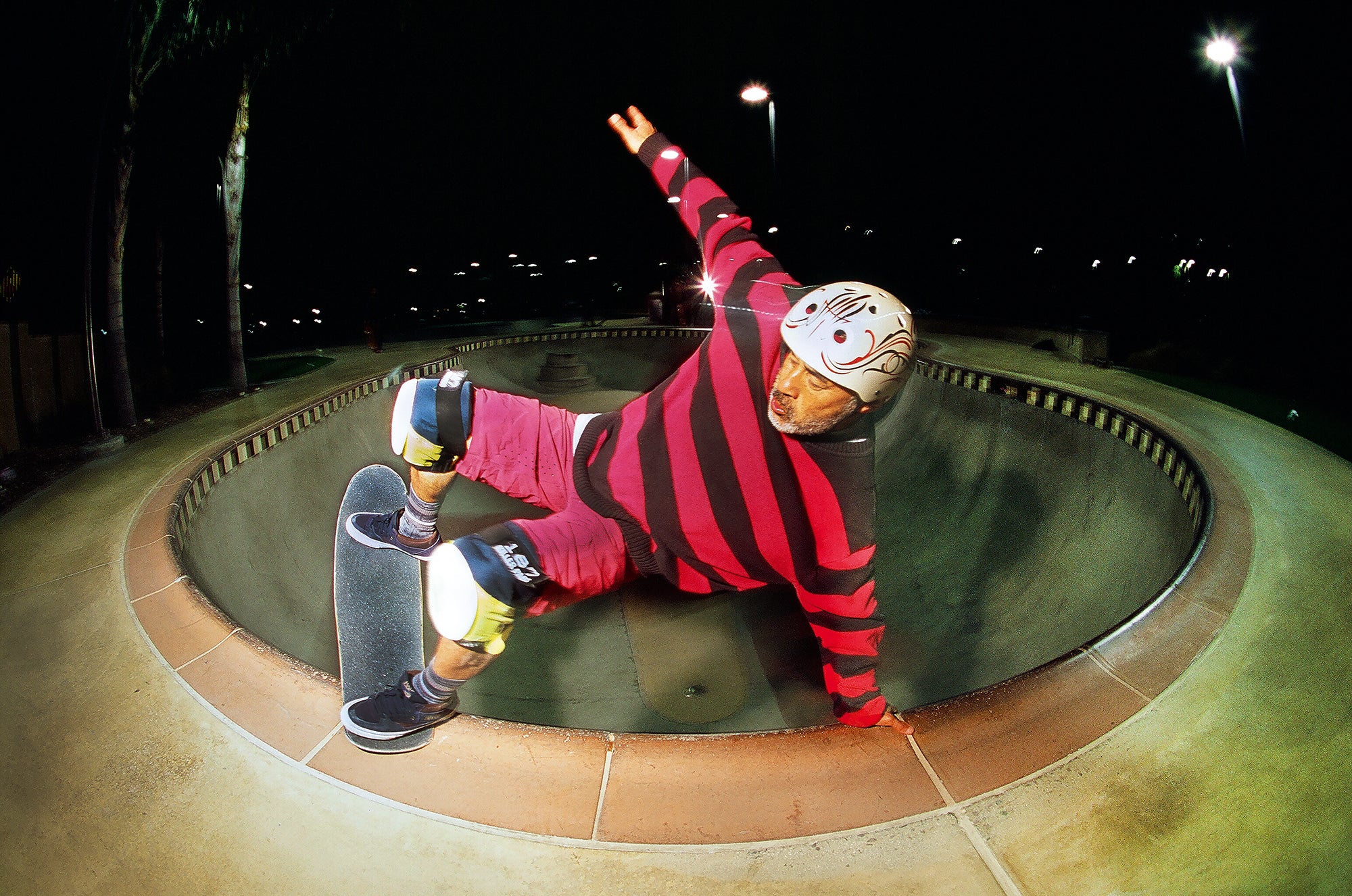
His fisheye and street-level shooting style fit the era perfectly. Close, immediate, slightly distorted at the edges - it matched exactly how street skating felt to the people doing it. That aesthetic ran through Transworld's pages for years and influenced how a whole generation of skate photographers approached the job.
He worked alongside Grant Brittain, who had been at Transworld since the early days and is one of the genuinely legendary figures in skate photography. Having both of them in the same building, working on the same publication, during skating's mainstream breakthrough years - that's a significant editorial history.
What Made Transworld's Photography Department Significant?
Transworld's photo department wasn't just documenting skateboarding. It was actively constructing how the world understood what skating looked like. At its peak circulation of over 200,000 in the early 2000s, the imagery in those pages reached a massive audience, and that audience included a lot of kids picking up boards for the first time.
The photographers working with Swift - including Atiba Jefferson, Skin Phillips, Chris Ortiz, and others - were producing work that sat at an interesting intersection. It was journalistic enough to feel authentic. It was composed well enough to work as art. That balance is harder than it looks, and Transworld maintained it consistently during its best years.
Swift's role expanded beyond shooting. As creative director, he was making decisions about layout, typography, colour, and how the whole magazine felt as an object. That's a different skill set to photography, and the fact that he transitioned into it successfully says something about how seriously Transworld took the visual side of things.
What Happened When Time Warner Acquired Transworld Media?
In 1999, Transworld Media was acquired by Time Warner. For a skateboarding publication, that's a significant shift. Suddenly you've got major corporate infrastructure behind the distribution. Circulation could scale. Resources were there.
The early 2000s were when those numbers peaked. Skateboarding was everywhere - Tony Hawk's Pro Skater had changed public awareness of the sport almost overnight, the X Games were on mainstream television, and kids who'd never touched a skateboard were suddenly interested. Transworld sat right in the middle of that moment.
The magazine also moved online during this period, launching one of the earlier skateboarding web presences at skateboarding.transworld.net in the late 1990s. For the time, that was forward-thinking. Most print media was still treating the internet as a side project.
How Did the Magazine Change After the Time Warner Era?
Time Warner sold Transworld Media to Source Interlink Media in 2007. That transition came during a broader contraction in print media, and skateboarding itself had started pulling back from its early-2000s mainstream peak. The economics were changing underneath everyone.
The magazine continued for another twelve years under various ownership structures, but the industry around it was contracting. Print advertising dried up across the board. Digital media was eating the audience. By the time Transworld Skateboarding printed its final issue in 2019, it had run for 36 years - which is a genuinely impressive lifespan for any magazine, let alone a niche sporting publication.
What Is Dave Swift's Legacy in Skate Media?
Swift's contribution sits in a category that doesn't get talked about enough: the people who weren't the pros on the boards, but who made the documentation of skating matter. A great photograph of a trick is the difference between a moment that exists only in the memory of the people who were there, and one that enters the broader culture.
The visual grammar of 90s and 2000s skate media - that specific combination of fisheye distortion, concrete textures, natural light, and the slightly chaotic energy of street spots - is so familiar now that it's easy to forget someone had to develop it. Swift was one of the people in that room when those decisions were being made.
The photographers he worked with at Transworld went on to significant careers. Atiba Jefferson is arguably the most well-known skate photographer alive. The environment that Swift helped build had something to do with that trajectory.
Transworld Skateboarding as a print entity is gone, but the archive it left behind is substantial. Over three decades of images, interviews, and coverage documenting skateboarding's growth from subculture to global industry. Swift's fingerprints are across a significant portion of that archive.
The Quick Version
- Dave Swift worked at Transworld Skateboarding from around 1991, serving as photo editor and later creative director across more than two decades
- Transworld Skateboarding was founded in 1983 by Larry Balma and Peggy Cozens in Oceanside, California, and ran in print until 2019
- The magazine reached peak circulation of over 200,000 in the early 2000s, during skateboarding's mainstream commercial boom
- Swift's fisheye, street-level photography style helped define the visual language of 90s and 2000s skate media
- He worked alongside Grant Brittain and a photography department that included Atiba Jefferson, Skin Phillips, and others who shaped how the world saw skating
1 person found this useful
Built for collectors like you.
Your collection deserves better than a spreadsheet.
Catalogue every board, log what you paid, and connect with collectors who get it. Your values are always private.