How Skateboarding Built Streetwear
From Anaheim skate shops to billion-dollar acquisitions, skate culture wrote the rules that fashion is still following.
Skateboarding didn't borrow from streetwear - it built it. The baggy pants, graphic tees, chunky shoes, and brand loyalty that define street fashion today came almost entirely from skate culture, starting in the late 1970s and accelerating through the 1990s in ways nobody planned.
Skateboarding is the single biggest cultural engine behind modern streetwear. From Vans in 1966 to Supreme's $2.1 billion acquisition in 2020, the aesthetics, brands, and attitude that skaters developed out of necessity became the template for global youth fashion.
Where Did Streetwear Actually Come From?
The short answer is: skate shops, not fashion weeks. Skaters needed gear that could take punishment, didn't restrict movement, and cost next to nothing. What came out of that was a visual language that the rest of the world eventually caught up to.
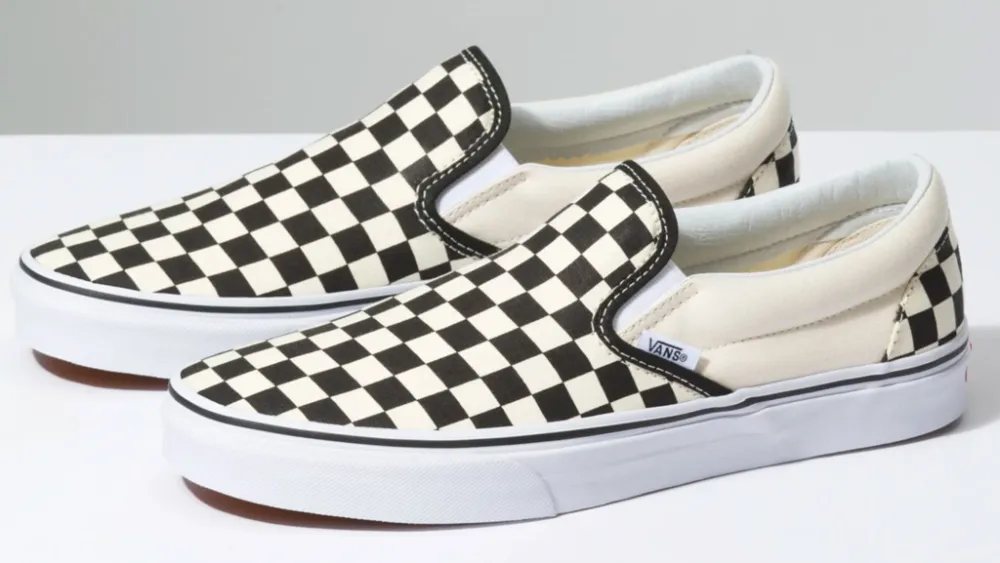
Vans is the obvious starting point. Founded by Paul Van Doren in Anaheim, California in 1966, the brand was making shoes directly for skaters before skateboarding was even a commercial industry. The Old Skool dropped in 1977. It's still in rotation in 2026. That's not nostalgia - that's a design that was right from the start.
How Skate Graphics Shaped the Visual Language of Fashion
Skate decks were canvases before streetwear brands existed. The graphic was part of the product in a way that no other sport had figured out. You wore your board's aesthetic. You carried it into the street.
Mark Gonzales designing art for Blind Skateboards in 1989 wasn't just a product decision - it was fine art meeting mass production on a six-ply maple deck. That collision of art and object is exactly what streetwear brands built their entire identity around in the decades that followed.
Thrasher Magazine, founded in January 1981 by Fausto Vitello and Eric Swenson, gave skate culture a media platform before anyone was calling it "content." The flame logo became one of the most bootlegged graphics in fashion history. Worn by people who'd never stepped on a board. That's cultural penetration.
The Brands That Crossed Over
Some skate brands were always going to cross over. Some did it by accident.
Stussy is the clearest case. Shawn Stussy started in Laguna Beach around 1980, selling surfboards with a signature graphic. The logo transferred to T-shirts, the T-shirts transferred to hip-hop kids in New York, and suddenly you had the first real streetwear brand - built on a surf and skate foundation.
Supreme is the one everyone talks about now. James Jebbia opened the first store at 274 Lafayette Street in New York in April 1994, specifically designed for skaters - wide open floor space, so you could ride inside. A box logo tee that retailed for around $30 in the mid-90s resells today for hundreds, sometimes thousands. The Carlyle Group valued the whole company at $1 billion in 2017. VF Corporation bought it for $2.1 billion in 2020. That's what a skate shop from Lafayette Street became.
Palace Skateboards launched in London in 2009 under Lev Tanju and did the same thing in Europe - building a brand with skate credibility that translated directly into fashion credibility. Same blueprint, different postcode.
What About the Shoe Brands?
Skate footwear is where the influence gets most concrete, because you can track it in sales figures.
Etnies launched in France in 1986. DC Shoes came in 1994. HUF was founded in San Francisco in 2002 by Keith Hufnagel. All of them were solving a specific problem - shoes that could handle grip tape, impact, and daily abuse - and the solutions they came up with ended up defining what "casual" footwear looked like for a generation.
Then the big athletic brands moved in. Adidas Skateboarding launched in 1997. Nike SB launched in 2002, and the Nike SB Dunk Low introduced that same year became one of the most collectible shoes in sneaker history. The irony is that Nike and Adidas spent years ignoring skaters, then spent millions trying to buy back into a culture they'd missed.
Vans reported revenues of approximately $3.8 billion in fiscal year 2019. One brand. Started in Anaheim. Built for skaters.
The Clothing Side - Dickies, Graphics, and the Workwear Connection
Skaters didn't choose Dickies because it was fashionable. Dickies, founded in 1922, made work pants that were cheap, durable, and available everywhere. By the 1990s, that utilitarian choice had become a style statement that designers were referencing on runways.
The same logic applied to oversized everything. Skaters wore clothes big enough to move in, not because oversized was a trend, but because it worked. Fashion caught up about 15 years later and called it "relaxed fit."
Brands like Diamond Supply Co., founded by Nick Tershay in 1998, and The Hundreds, founded in Los Angeles in 2003 by Bobby Kim and Ben Shenassafar, took that same workwear-influenced, graphic-heavy aesthetic and turned it into full streetwear lines. Skate culture provided the foundation. These brands built on top of it.
Why Does Skate Culture Keep Feeding Fashion?
Because skaters have always had an eye for what looks right outside of any trend cycle. There's no committee deciding what a skater wears. It's function first, then community signalling, then eventually the rest of the world notices.
The global skateboarding market was estimated at around $2.4 billion in 2019. That number doesn't include all the fashion revenue generated by brands that started in skate and crossed over - or the mainstream brands that built entire product lines chasing skate credibility. The real number is multiples of that.
Skate culture doesn't follow fashion. It keeps getting followed by it.
The Quick Version
- Vans, founded in 1966, and the Old Skool from 1977 are the original skate-to-street crossover story - still relevant 49 years later
- Supreme went from a Lafayette Street skate shop in 1994 to a $2.1 billion acquisition in 2020
- Skate graphics, led by artists like Mark Gonzales, created the visual template that streetwear brands built their identities around
- Nike and Adidas both launched dedicated skate divisions (1997 and 2002) after years of ignoring the market - then made some of the most collectible shoes ever
- Skaters wore Dickies, oversized tees, and chunky shoes out of function. Fashion eventually called it a trend
Find this useful?
Built for collectors like you.
Your collection deserves better than a spreadsheet.
Catalogue every board, log what you paid, and connect with collectors who get it. Your values are always private.